

Arnica Cream for Pain Relief: What Actually Works
You’ve probably heard about arnica cream at some point. Maybe a friend swore by it after a gym injury, or you spotted it at a health store and wondered if it’s actually worth buying.
Here’s the truth: arnica cream is legit for pain relief. It’s been around forever and people still reach for it because it works.
Related: Arnica Gel for Pain Relief: What Actually Works
Related: Arnica Salve for Muscle Pain: What Actually Works
Let’s talk about what arnica cream actually does, how to use it right, and whether it’s the right choice for your pain.
What Does Arnica Cream Do?
Arnica cream is designed to temporarily relieve muscle pain, stiffness, and discomfort from minor injuries, overexertion, and everyday wear and tear.
If you’ve got a bruise, arnica cream can help reduce the pain, swelling, and discoloration that comes with it. It’s a topical solution, meaning you apply it directly to your skin over the affected area.
You can also use it for joint pain and minor inflammation. A lot of people with arthritis or other chronic joint issues find arnica helpful for localized discomfort.
How Arnica Cream Actually Works
Arnica comes from a plant and is recognized as a homeopathic medicine for pain relief related to minor injuries and muscle strain.
When you apply arnica cream to your skin, the active ingredients get to work on the affected area. It’s a natural approach to pain management without reaching for pharmaceutical options.
The key is consistent application. You can’t just slap some on once and expect miracles. Regular use is what gets you results.
Arnica Cream vs. Other Pain Relief Options
So how does arnica stack up against other topical pain relievers?
Arnica cream is applied directly to your skin, so you avoid swallowing anything. That means fewer side effects overall and no worry about interactions with other medications you might be taking.
Compared to oral pain relievers, topical arnica cream is a gentler option that still delivers relief where you need it most.
It’s natural, it’s accessible, and it doesn’t require a prescription. For minor injuries and everyday muscle aches, arnica cream is a solid first move.
Who Should Use Arnica Cream?
Arnica cream works well for almost anyone dealing with minor muscle pain, bruises, or joint discomfort.
Related: Natural Arnica Salve for Joint Pain Relief: What Works
If you’ve got sensitive skin, you can still use arnica cream. Just do a patch test first on a small area of skin (like your forearm) to make sure you don’t have a reaction.
One important warning: arnica is only for topical use. Never swallow it or put it in your mouth. It’s poisonous if taken internally, so keep that in mind and use it exactly as directed.
How to Use Arnica Cream Correctly
Using arnica cream properly makes a huge difference in how well it works.
Step 1: Clean the Area
Start by washing the affected area with soap and water. Pat it dry completely before applying anything.
Step 2: Apply a Small Amount
You don’t need a lot. Use a dime-sized or quarter-sized amount, depending on the size of the area you’re treating.
Step 3: Massage Gently
Rub the cream in with gentle, circular motions. This helps the ingredients absorb into your skin and gets them to the affected muscles or joints underneath.
Step 4: Repeat as Needed
Most arnica creams can be applied multiple times a day. Follow the directions on your product, but generally you can reapply every few hours if needed.
Consistency is key here. One application won’t fix everything overnight, but regular use will keep your pain in check.
Natural Pain Relief Without the Hassle
A lot of people are moving away from synthetic pain relievers and looking for natural alternatives that actually work.
Related: All Natural Pain Reliever Without Drugs: What Actually Works
Arnica cream fits that bill perfectly. It’s natural, it’s topical, and it gives you real relief without complicated side effects.
If you’re dealing with chronic joint pain, fibromyalgia, arthritis, or just regular muscle soreness, having an arnica product in your pain relief arsenal makes sense.
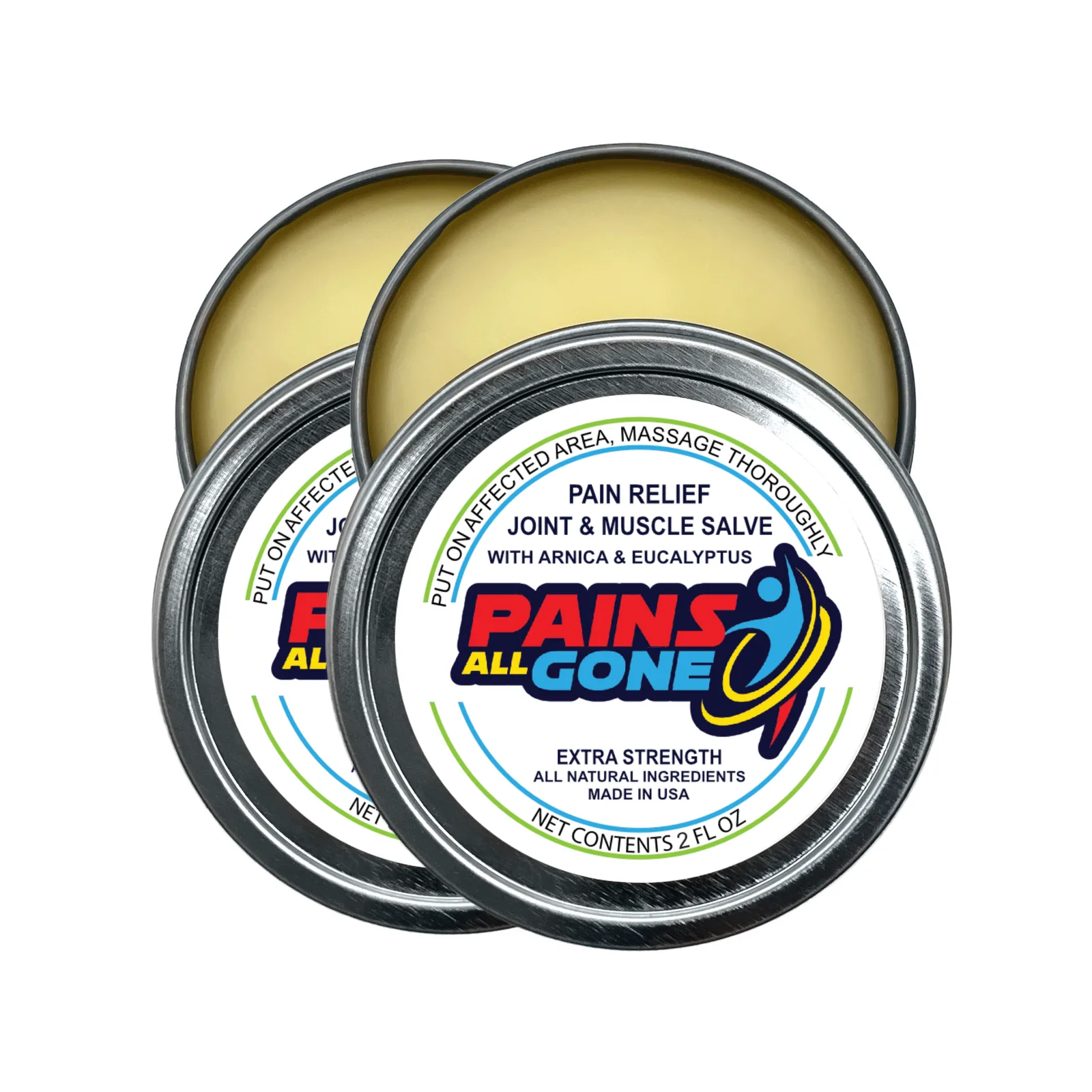
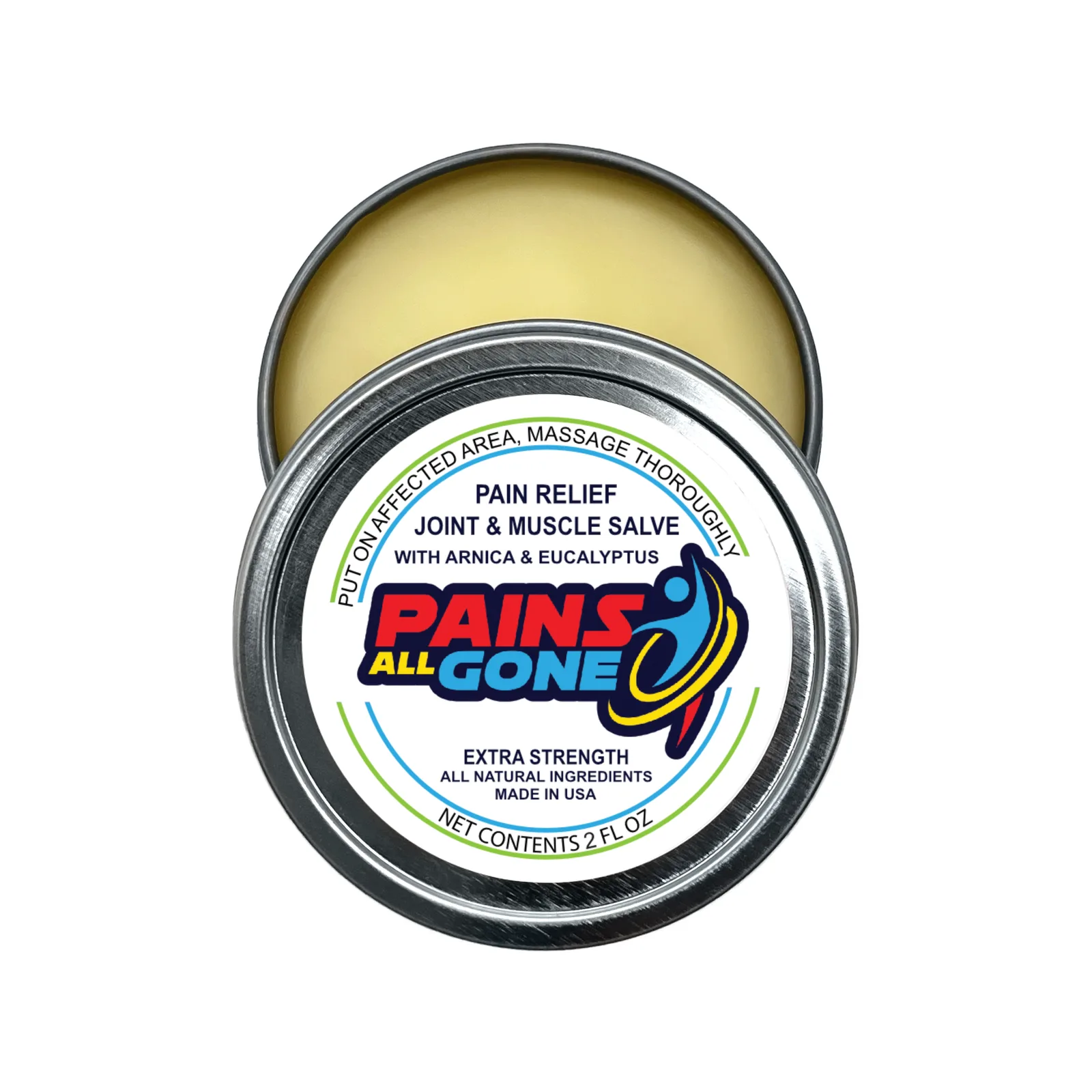
Pains All Gone makes two salves with arnica that are worth considering. The Joint & Muscle Body Salve comes in two versions: Eucalyptus & Arnica and Lavender & Arnica. Both are made with arnica, aloe vera, jojoba oil, grapeseed oil, organic coconut oil, and beeswax. These natural ingredients work together to give you effective topical relief in a 2 oz salve you can carry with you.
They also offer a Roll On Pain Reliever with Arnica & Eucalyptus in a convenient 3 oz size, so you can apply pain relief on the go without dealing with your hands getting messy.
Should You Use Arnica Cream for Everyday Pain?
Absolutely. If you’ve got muscle soreness, joint stiffness, or bruises that keep showing up, arnica cream should be your first stop.
It’s not a replacement for seeing a doctor if you have a serious injury. But for minor stuff and chronic pain management, arnica cream is straightforward and effective.
A lot of people use it daily as part of their pain management routine. Apply it in the morning, maybe again at night, and you’ll notice a real difference in how your body feels.
Why Natural Ingredients Matter
When you’re applying something to your skin multiple times a day, the ingredients actually matter.
Arnica is just one piece of the puzzle. Quality arnica creams also include carrier oils like jojoba oil and grapeseed oil that help your skin absorb the active ingredients and get maximum benefit.
Aloe vera is another great addition because it soothes skin while the arnica tackles the underlying pain.
Look for products with clean, recognizable ingredients. Skip anything with a long list of chemicals you can’t pronounce.
Real Talk: Does Arnica Cream Actually Work?
Yes. People aren’t reaching for arnica cream out of pure habit. They use it because it delivers results.
You might not feel relief in five minutes like you would with ice, but consistent use over a few days will absolutely reduce your pain and help you move better.
The best part? It works for a lot of different types of pain. Bruises, sore muscles, stiff joints, minor strains. Arnica handles all of it.
Building Your Pain Relief Routine
Smart pain management isn’t about finding one magic product. It’s about creating a routine that works for you.
Arnica cream should be part of that routine. Apply it consistently to your problem areas and you’ll keep your pain under control without overrelying on anything strong.
Combine it with other natural pain relief methods like gentle stretching, rest, and heat or ice as needed. That combination is your best bet for lasting relief.
The Bottom Line
Arnica cream is worth having around. Whether you deal with chronic pain or just get occasional bruises and muscle soreness, it’s a natural, effective option that actually works.
Start with a quality arnica product from a trusted source. Apply it consistently to get the best results. And remember, this is topical use only—never swallow it.
Your future pain-free self will thank you for keeping arnica cream on hand.
FAQs
How long does arnica cream take to work?
Arnica cream isn’t instant, but you’ll typically notice relief within a few days of consistent use. Apply it multiple times daily for best results.
Can I use arnica cream every day?
Yes, most arnica creams are safe for daily use. Just follow the product’s directions and do a patch test first if you have sensitive skin.
Is arnica cream safe for all skin types?
Arnica cream is generally safe for sensitive skin, but you should always do a patch test on your forearm first to make sure you don’t have a reaction.
What’s the difference between arnica cream and other topical pain relievers?
Arnica cream is a natural, topical option that doesn’t require swallowing anything. It’s a homeopathic remedy recognized for pain relief without the side effects of some other options.

