

Arnica Gel for Pain Relief: What Actually Works
You’ve probably heard about arnica gel if you’ve ever dealt with a bad bruise, sore muscles, or joint pain that just won’t quit. It’s one of those remedies that shows up everywhere, from locker rooms to medicine cabinets to your grandma’s bathroom drawer. But does arnica gel actually work, and is it the right choice for your pain?
What Is Arnica Gel and What Does It Do?
Arnica gel is a topical product you apply directly to your skin over the area that hurts. It’s designed to tackle muscle soreness, stiffness, and that awful post-workout achiness that shows up a day or two after you overdo it.
Here’s the thing about arnica gel: it’s known for handling swelling, inflammation, and bruising really well. If you took a fall, got a sports injury, or just pushed your body too hard, arnica can help bring down the puffiness and calm things down.
Most arnica gels come in a non-greasy formula, which means you’re not walking around feeling like you dunked your arm in oil. That’s a real plus when you just want relief without the mess.
What Makes Arnica Gel Different From Other Topical Options?
You’ve got options when you’re looking for topical pain relief. Some people reach for sprays, some want salves, and some prefer gels. They all work a little differently.
Arnica gel sits in a sweet spot because it absorbs quickly and doesn’t leave your skin feeling heavy. You can apply it and get on with your day without worrying about staining your clothes or feeling sticky.
That said, arnica isn’t the only natural ingredient out there that helps with pain and swelling. If you’re open to trying something different, there are other approaches worth considering too.
Related: All Natural Pain Reliever Without Drugs: What Actually Works
How to Use Arnica Gel the Right Way
Before you just slather arnica gel all over the place, do a patch test first. Put a tiny amount on a small area of your skin, like your inner forearm, and wait a bit to make sure your skin’s happy with it.
Related: Arnica Salve for Muscle Pain: What Actually Works
Once you know you’re good to go, apply the gel directly to the area that’s bothering you. Follow whatever instructions come with your product. Don’t go overboard. A little goes a long way.
You can usually reapply it a few times a day depending on what you’re dealing with. If the pain is really nagging, more frequent applications might help. Just listen to your body and adjust as needed.
If your skin is sensitive, start slow and see how it reacts. Everyone’s skin is different, and what works perfectly for your friend might need tweaking for you.
When Should You Reach for Arnica Gel?
Arnica gel is your go-to for minor injuries, bruises, and muscle soreness from everyday wear and tear. If you bumped yourself, overdid it at the gym, or slept wrong and woke up sore, arnica can help.
It’s also useful for reducing swelling and inflammation when you’ve got joint pain. Your knees, elbows, and shoulders take a beating, and arnica can help them feel better.
People with sensitive skin often do well with arnica gel too, since it tends to be gentle and fragrance-free in most formulas.
Natural Alternatives to Consider
If you’re looking for natural topical pain relief but want to explore your options, there are other ingredients and formulas out there that work well too.
Some people love eucalyptus-based products because they offer aromatherapeutic relief along with pain management. The eucalyptus scent can be calming while you’re getting pain relief, which makes the whole experience better.
Products that combine multiple natural ingredients like arnica, eucalyptus, aloe vera, and carrier oils like jojoba and grapeseed oil give you more support. You’re not just getting one ingredient. You’re getting a blend that tackles pain from different angles.
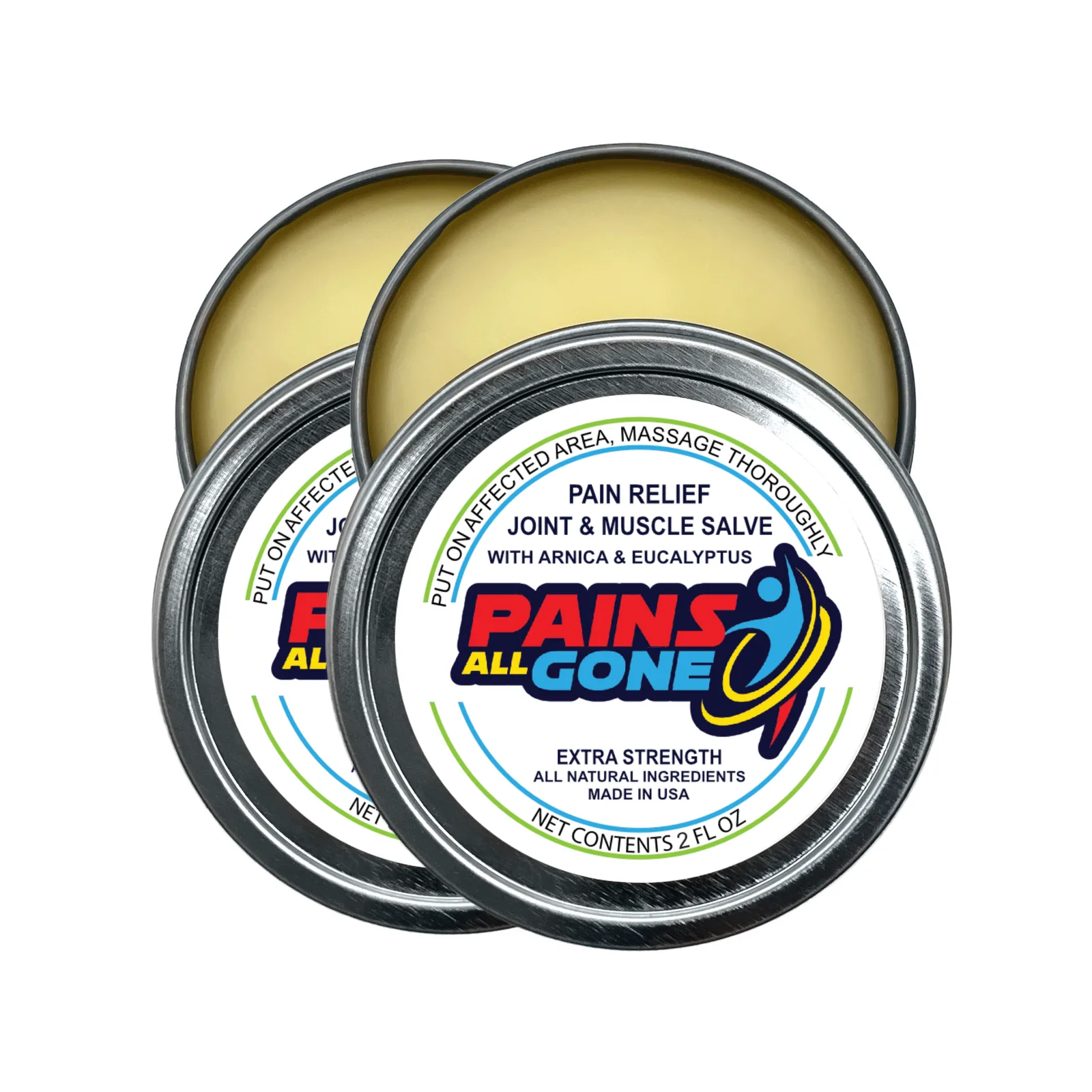
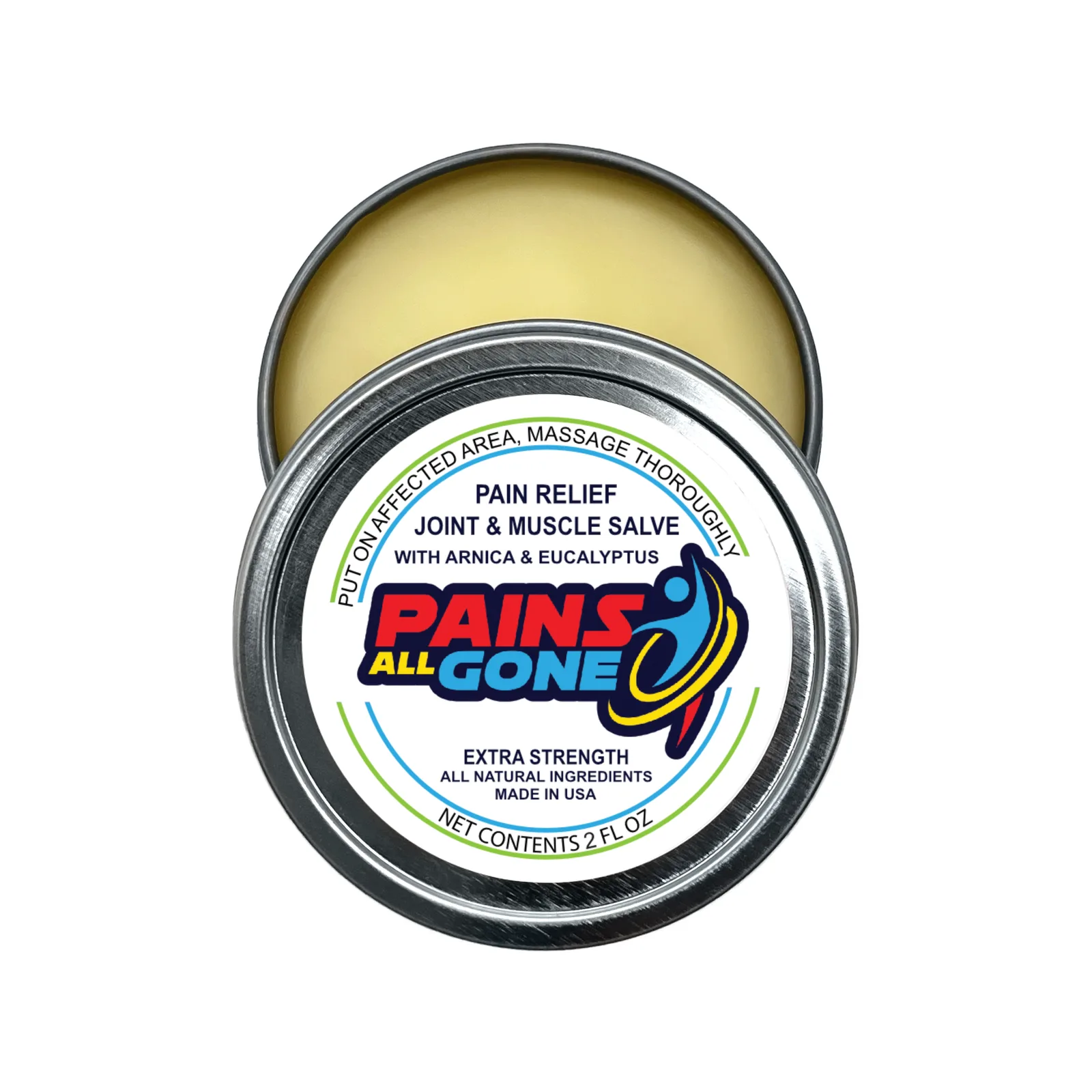
For example, Pains All Gone offers products designed for muscle and joint pain using natural ingredients. Their Joint & Muscle Body Salve comes in two scents, Eucalyptus & Arnica or Lavender & Arnica, and is made with arnica, aloe vera, jojoba oil, grapeseed oil, organic coconut oil, and beeswax. If you prefer something with less friction, their Roll On Pain Reliever with Arnica & Eucalyptus combines those same benefits in an easy-to-apply format.
Arnica Gel vs. Arnica Salves and Roll Ons
Here’s where it gets interesting. You’ll see arnica available as a gel, but it also comes in other forms like salves and roll ons. Each format has its own vibe.
Gels absorb fast and feel light on your skin. Salves tend to be thicker and sit on your skin longer, which means longer-lasting moisture and relief. Roll ons are convenient because you just roll them on like deodorant. No mess, no guesswork about how much to use.
If you’re dealing with chronic pain and want something that lasts, a salve or roll on might actually serve you better than a gel. They’ve got more staying power because of the additional ingredients that help them stick around on your skin.
What About Using Arnica for Other Issues?
Some people report trying arnica gel for fungal toenail issues. Does it work? The results are all over the place. Some people swear by it, others see no difference at all. It’s worth trying if you’re desperate, but don’t expect miracles.
For muscle pain, bruising, and swelling, arnica is way more reliable. That’s where it shines.
Making Arnica Part of Your Pain Management Routine
If you’re dealing with ongoing joint or muscle pain, don’t just grab the first arnica product you see. Think about what would work best for your lifestyle. Do you want something you can carry in your pocket? A roll on might be perfect. Do you want deep relief that lasts for hours? A salve could be your answer.
Related: Natural Arnica Salve for Joint Pain Relief: What Works
The natural ingredients in quality arnica products work best when you use them consistently. Don’t just pull them out when you’re desperate. Build them into your routine, especially if you know you’ve got activities coming up that usually make you sore.
Pairing your topical pain relief with stretching, good posture, and taking breaks when you need them makes a real difference too. Your topical product is part of the solution, not the whole solution.
Can I use arnica gel if I have sensitive skin?
Yes, arnica gel is usually gentle enough for sensitive skin, but you should always do a patch test first. Apply a tiny amount to a small area like your inner forearm and wait to see how your skin reacts before using it on larger areas or over bruises and sore spots.
How often can I apply arnica gel?
Most arnica products can be applied multiple times a day. Follow the specific instructions on your product’s label. If your skin feels irritated or if the pain isn’t improving after a few days, give it a rest and consider trying something else.
Does arnica gel work better than other natural pain relief options?
Arnica is great for bruising, swelling, and minor soreness, but it’s not necessarily better than other natural topical options. Some people prefer products that combine arnica with other natural ingredients like eucalyptus, aloe vera, and carrier oils for more comprehensive pain relief. What works best depends on your specific needs and what your skin responds to.
Related: Arnica Cream for Pain Relief: What Actually Works
Can I use arnica gel every day?
Yes, you can use arnica gel daily if you need to. It’s designed for regular use on minor aches and soreness. Just make sure you’re not overusing it on the same area and that your skin is handling it well. If you develop any irritation or if your pain isn’t improving, take a break and try a different approach.

