

Arnica Salve for Muscle Pain: What Actually Works
If you’ve ever had a bruise that won’t quit or muscles that are screaming after a workout, you’ve probably heard someone mention arnica salve. But here’s the thing: not all arnica products are created equal, and knowing what actually works can save you time and money.
What Is Arnica Salve and Why People Use It
Arnica salve is a topical treatment made from the arnica plant. You apply it directly to your skin where it hurts, and that’s it. No pills. No injections. Just a natural remedy that’s been around for ages.
Related: Natural Arnica Salve for Joint Pain Relief: What Works
People reach for arnica salve for bumps, bruises, sore muscles, stiffness, and joint pain. Athletes use it after tough workouts. Gardeners swear by it for their aching hands and knees. Anyone dealing with localized discomfort seems to have a jar sitting in their medicine cabinet.
The cool part? Arnica works by potentially reducing inflammation and improving circulation to the affected area. This can help minimize bruise discoloration and ease that tight, achy feeling you get after overworking your muscles.
How Arnica Salve Actually Works
When you apply an arnica salve to your skin, the arnica and supporting ingredients work together to address surface-level pain and inflammation.
Related: Arnica Cream for Pain Relief: What Actually Works
Related: Arnica Gel for Pain Relief: What Actually Works
The best arnica salves include carrier oils like jojoba and grapeseed oil. These oils help the arnica absorb into your skin properly and keep everything moisturized. Many quality salves also include ingredients like aloe vera, organic coconut oil, and beeswax to soothe and protect your skin while the arnica does its thing.
The combination creates a product that’s nourishing, easy to apply, and actually effective for minor inflammation and discomfort.
What to Look For in an Arnica Salve
Not every arnica product on the shelf is worth your money. Here’s what matters:
- Arnica should be a main ingredient, not buried at the bottom of the list.
- Look for natural carrier oils like jojoba and grapeseed oil that help absorption.
- Avoid products with a bunch of artificial additives or fragrances you can’t pronounce.
- Check if it includes complementary ingredients like aloe vera that support skin health.
- Make sure it’s actually labeled as a salve, not a cream or gel with different properties.
You want something straightforward that lets the natural ingredients do their job.
Best Practices for Using Arnica Salve
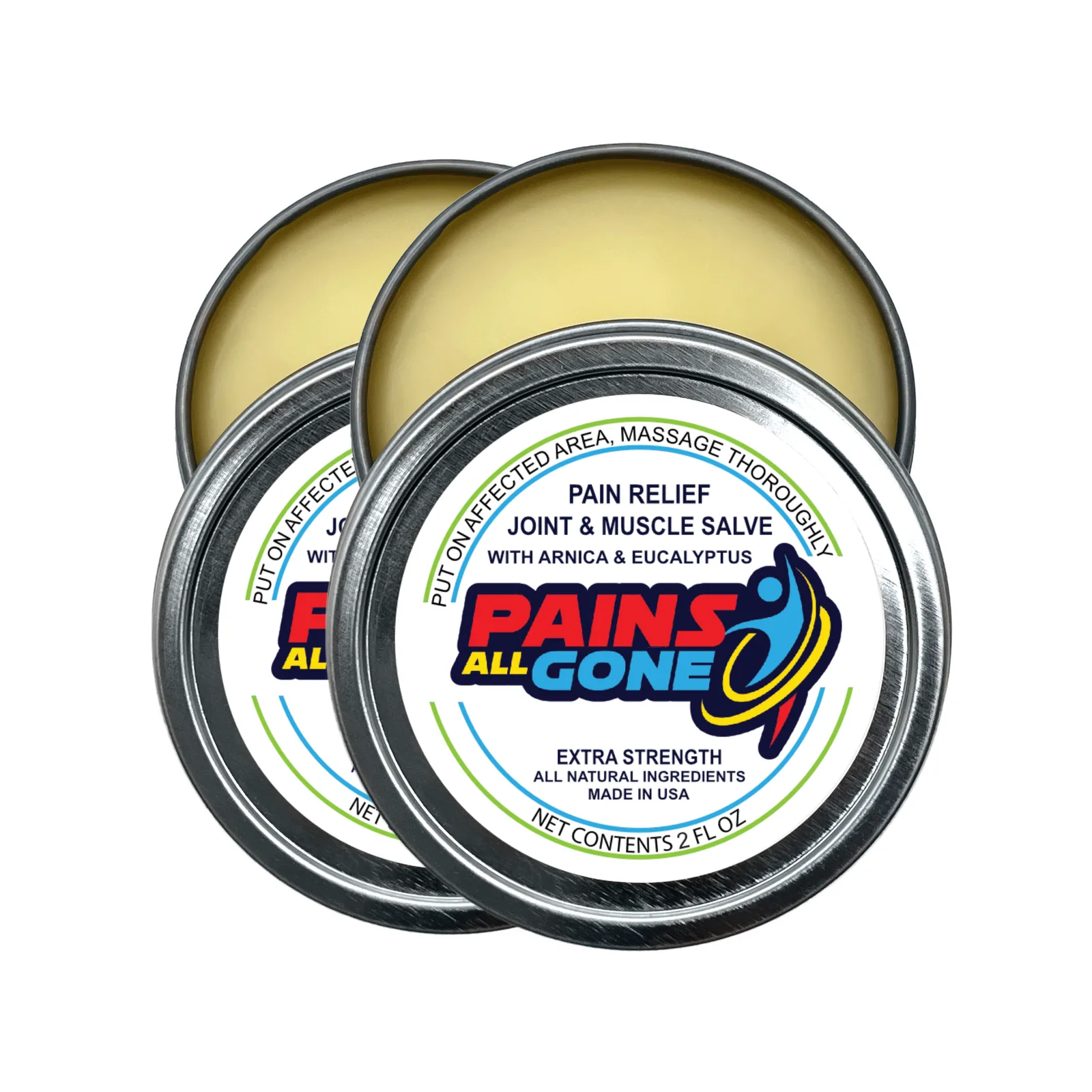
Application matters. Here’s how to get the most out of your arnica salve.
Before You Apply It
Do a patch test first. Apply a small amount to your forearm and wait a bit to make sure your skin doesn’t react badly. If you have highly sensitive skin, take extra care and maybe start with a smaller amount.
Never use arnica salve on broken skin or open wounds. It’s for topical application only, and remember, it’s poisonous if you ingest it, so keep it away from your mouth.
How to Apply It
Clean the area where you’re applying the salve. Use a small amount, about the size of a pea or a bit more depending on the area you’re treating. Massage it gently into your skin using circular motions.
You can apply arnica salve several times a day if needed. There’s no magic number. Just use it whenever the soreness or stiffness bothers you most.
Arnica Salve vs. Other Pain Relief Options
You have options when it comes to pain management. Some people swear by over-the-counter pain relievers. Others prefer topical solutions. And plenty of people want to avoid anything with artificial ingredients or questionable side effects.
Arnica salve is a botanical option that’s been used for ages and doesn’t come with the baggage of synthetic medications. It’s gentle enough for sensitive skin but effective enough to actually help with bruises, muscle soreness, and minor inflammation.
If you’re looking for something beyond a basic arnica salve, consider products that combine arnica with other carefully chosen ingredients. For example, a joint and muscle salve that includes arnica, aloe vera, jojoba oil, grapeseed oil, organic coconut oil, and beeswax gives you a more complete solution for pain relief and skin health at the same time.
When to Add More Support to Your Routine
Sometimes a salve alone isn’t enough, especially if you’re dealing with chronic joint or muscle pain. That’s where adding an aromatherapeutic massage oil spray can help. A quality spray made with eucalyptus, aloe vera, jojoba, and grapeseed oil can provide ongoing relief when used regularly.
Pains All Gone offers both options. Their Joint and Muscle Body Salve comes in Eucalyptus & Arnica or Lavender & Arnica scents, both with a thoughtful blend of carrier oils and beeswax. They also have a Roll On Pain Reliever with Arnica & Eucalyptus that’s perfect for on-the-go pain relief.
Combining a topical salve with a massage oil spray gives you flexibility. Use the salve when you want something more concentrated and longer-lasting. Use the roll on when you need quick relief throughout the day.
Real Talk About Expectations
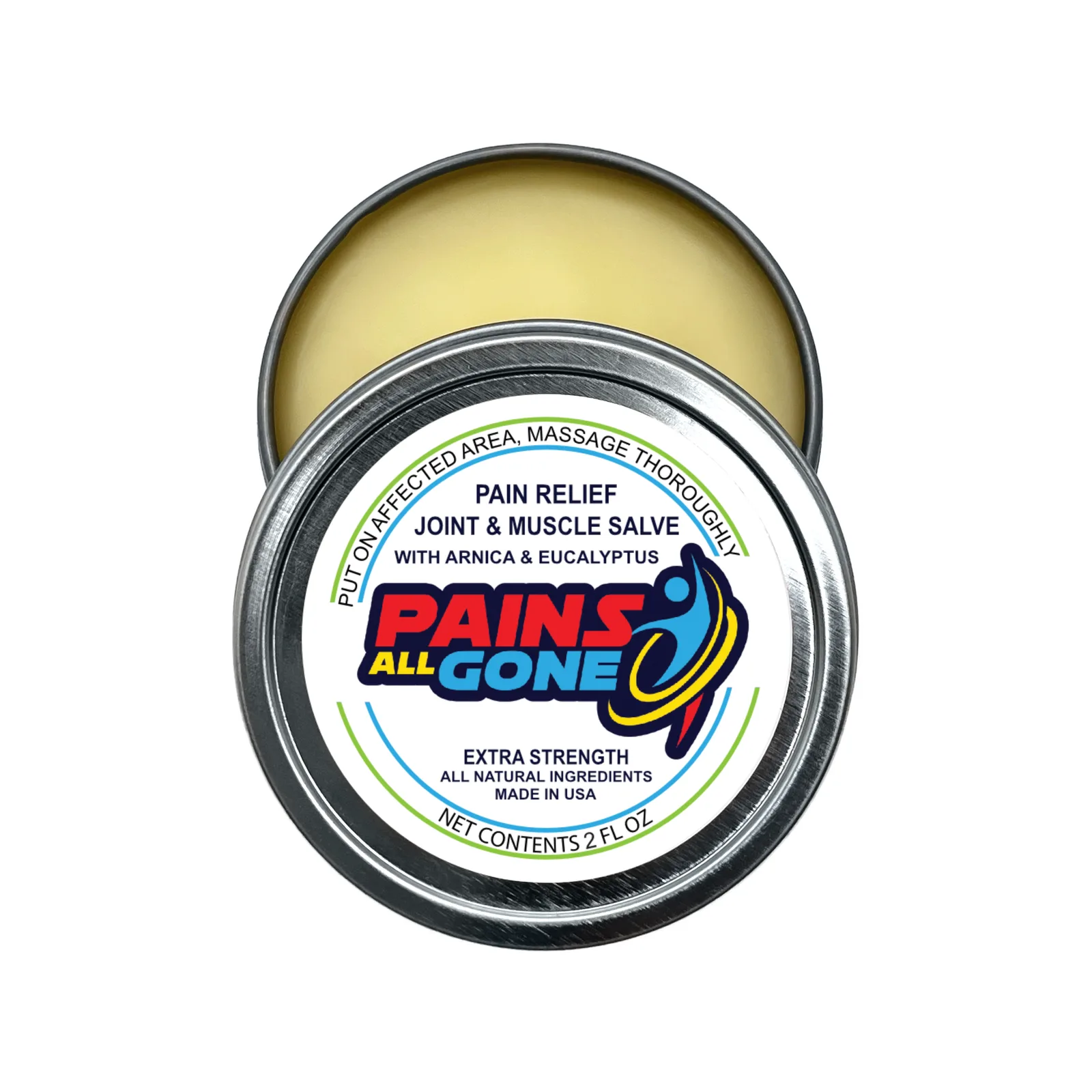
Arnica salve isn’t a miracle cure. It won’t make chronic pain disappear overnight or heal serious injuries. It’s designed for minor bumps, bruises, sore muscles, and localized joint discomfort.
If you’re dealing with severe pain, injury, or a condition that won’t improve, talk to a healthcare professional. Arnica salve works best as part of your everyday pain management toolkit, not as a replacement for proper medical care when you need it.
That said, for everyday muscle soreness, post-workout aches, and minor inflammation, an arnica salve with quality ingredients actually delivers results without all the hassle of oral medications.
Making the Switch to Natural Pain Relief
If you’ve been relying on other methods and want to try something different, starting with an arnica salve is simple. You don’t need special equipment or complicated routines. Just apply it where you hurt and let the natural ingredients work.
Many people find that combining a good arnica salve with a complementary product like an aromatherapeutic massage oil spray gives them more consistent relief and more options depending on the day and their needs.
The key is finding products made with real, recognizable ingredients and using them consistently. Stick with it for a few weeks. Pain relief from natural products often builds up with regular use, so patience pays off.
What’s the difference between arnica salve and arnica cream?
A salve is a thicker, wax-based preparation that stays on your skin longer and provides more concentrated relief. A cream is lighter and absorbs faster. If you prefer something that lasts longer and really saturates the affected area, a salve is your best bet. Pains All Gone makes arnica salves, not creams, so you get the concentrated, long-lasting benefits.
Can I use arnica salve on my face?
You can use arnica on your face if you do a patch test first, but be careful around your eyes and mouth. Facial skin is more sensitive, so use less product and see how your skin responds before making it part of your regular routine.
How often should I apply arnica salve?
You can apply it multiple times a day as needed, typically whenever you feel soreness or stiffness. Just start with small amounts and adjust based on how your skin responds and how much relief you get.
Is arnica salve safe for everyone?
Arnica salve is safe for topical use on most people, but those with highly sensitive skin should exercise caution and always do a patch test first. Never ingest it, and avoid applying it to broken or open skin. If you have any skin conditions or concerns, check with a healthcare provider before use.

